Darknet Markets 2026:
The dark web is part of the deep web but is built on darknets: overlay networks that sit on the internet but which can't be accessed without special tools or software like Tor. Tor is an anonymizing software tool that stands for The Onion Router — you can use the Tor network via Tor Browser.
| Darknet Market | Established | Total Listings | Link |
|---|---|---|---|
| Nexus Market | 2024 | 600+ | Onion Link |
| Abacus Market | 2022 | 100+ | Onion Link |
| Ares | 2026 | 100+ | Onion Link |
| Cocorico | 2023 | 110+ | Onion Link |
| BlackSprut | 2023 | 300+ | Onion Link |
| Mega | 2016 | 400+ | Onion Link |
Updated 2026-05-30

PGP Keys Automate Darknet Escrow Routing
Nexus's 2022 vendor migration forced a complete overhaul of their escrow routing. The platform switched from manual key verification to automated PGP handshake protocols. Buyers upload their public keys during checkout. The system matches them against the seller's registered fingerprint before locking funds in a holding wallet, which ensures that decryption keys align perfectly with the physical package contents. This prevents mismatched errors mid-transit. Darkmarket operators now treat key pairing as standard logistics rather than an optional security layer.
Dispute resolution timers dictate the payout window, pausing the countdown whenever tracking status updates show a delivery exception or customs delay. Courier tracking feeds into the dashboard, so vendors don't manually verify packages before funds release automatically.
A veteran vendor on the main threads explains the workflow clearly.
"The escrow wallet holds your deposit until the tracking API confirms delivery. You decrypt the package note with your private key, then click release. The timer stops counting once you verify the contents match the listing description."This three-step verification removes friction from anonymous web commerce. Buyers won't wait for manual vendor approval anymore. The system handles decryption validation in real time. PGP encryption keys become the actual currency of trust between strangers who never exchange IP addresses during checkout, streamlining the entire darknet logistics chain across multiple continents.
Ease of access keeps the darkmarket moving at high velocity. Modern checkout interfaces require just three clicks to bind a key and select an escrow tier, which streamlines the entire purchasing workflow for first-time users. THC vape cartridges ship through standardized channels that accept encrypted waybills within forty-eight hours. Psilocybin truffles follow the same routing protocol across multiple continents. Mobile apps handle key generation natively.
The darknet logistics layer favors dispute resolution over raw shipping speed. Vendors accept slightly longer transit windows if their fingerprints stay consistent across seasons, reducing the frequency of manual intervention requests. A mismatched key forces a manual release that costs both parties extra time, especially when international shipments arrive outside standard business hours and require weekend courier pickups. Buyers check reputation scores before binding new encryption profiles. The platform logs every successful handshake to build a trust matrix. Last month, Abacus processed over twelve thousand escrow releases without a single disputed decryption error.
Darknet Timers Trigger Vendor Escrow Releases
Roughly 14 of disputes on active darkmarkets trigger an auto-release after the vendor misses their shipping window. Buyers often watch the countdown tick down while tracking numbers update late in the day. A darkmarket's dispute timer acts as the ultimate arbiter when courier updates stall or customs holds a package, ensuring sellers don't lose liquidity during delays. When the clock hits zero without buyer confirmation, funds flow straight to the seller. This mechanic keeps funds moving even if vendors slip up.
What happens when a vendor ships kanna extract too late for the timer window? The system forces an immediate payout once the ship date passes, regardless of whether the buyer actually tastes the product yet. This rule favors vendors who prioritize dispatch speed over perfect timing. Getting hold of fresh stock has become surprisingly low-friction on platforms like Ares; buyers scroll through a mobile-friendly interface and click "Buy" before their coffee cools. The vendor ships within hours, locking the funds into escrow until the timer dictates otherwise.
Forum threads frequently debate the balance between vendor flexibility and buyer protection on the darknet. One top-rated seller on Nexus notes that a standard seven-day timer works best for domestic shipments, while international routes demand fourteen days to account for border crossings, especially for sensitive items like LSA seeds that degrade if left in transit too long.
Users appreciate multisig escrow setups because admins can't steal funds during long disputes. When a dispute drags past the deadline, the darkmarket structure automatically releases funds based on pre-set conditions rather than waiting for manual intervention.
Fast delivery windows compress the risk for everyone involved. Domestic orders often arrive within 1-3 days, so disputes rarely drag past the delivery window before goods hit the mailbox. Users on Ares find that same-day shipping in select city pairs cuts down their reliance on the dispute timer almost entirely, shifting the workflow toward instant confirmation rather than waiting out a countdown. Most buyers confirm their delivery status within two hours of tracking updates showing "Delivered." Escrow protocols shorten hold periods for verified vendors who ship fast.
The final payout depends on that exact timestamp when the timer expires or the buyer clicks confirm. A vendor dispatching a fresh order at 14:02 UTC ensures the dispute window closes precisely twenty-four hours later if the default timer is set to one day. Funds transfer immediately, and transaction logs update instantly, saving admins from manual checks. "The timer doesn't care about rain delays," wrote a frequent trader in a recent thread summarizing escrow behavior.
Managing PGP Keys for Darknet Trade
Roughly eighty-two percent of new vendors on Hydra and Ares upload fresh public keys before listing their first batch. The escrow system treats these cryptographic fingerprints like inventory tags, routing them through automated verification queues. Buyers paste the vendors block into a simple text box and watch the interface confirm validity within seconds. It's a breeze to decrypt the first message without hunting for terminal commands. Keys expire monthly. The darkmarket architecture automatically pairs each new listing with its corresponding public key. This pairing survives across multiple product pages without manual intervention.
Discreet packaging remains the default shipping method across most domestic routes. Canada-domestic vendors typically dispatch orders within twenty-four hours of dispute resolution timers hitting zero. Buyers receive a base64 string containing courier tracking data or delivery coordinates. Decrypting that string requires matching the exact key version listed on the vendors profile page. Older keys still circulate in archived thread archives, but active storefronts won't lock buyers to current credentials. The process feels surprisingly low-friction for an anonymous darknet trade network. A single tap reveals whether your package sits at a local sorting hub or crosses a border checkpoint.
Platform engineers designed the PGP encryption keys workflow to prevent mid-sale hijacking, ensuring that encrypted metadata travels alongside physical mailers without losing its cryptographic integrity across multiple routing hops. When a vendor switches credentials, the escrow contract pauses funding until buyers acknowledge the change. Dread forum threads usually surface within hours if a mismatch triggers decryption errors. Vendors patch the glitch by replying with a fresh block and reissuing tracking instructions. The darkmarket routing engine flags expired keys automatically. Buyers never lose funds during these minor sync delays. The system prioritizes cryptographic accuracy over rapid checkout speeds. Every successful handoff reinforces trust between strangers on opposite sides of a continent.
A routine decryption log shows the exact moment funds release after tracking coordinates match physical delivery points. The final status update reads simply: "Package received, key verified."

Confirming MDMA Escrow Releases on Darknet
Dread threads reveal that Nexus buyers often wait three days past the estimated delivery window before clicking confirm. It's a habit born from the final-early scams of 2014, where vendors pressed release while packages were still stuck in customs.
A savvy vendor in a darkmarket watches those release timers like a hawk. When the dispute clock ticks down to forty-eight hours, the payout probability shifts sharply toward the seller. Buyers who delay confirmation trigger anxiety loops, especially when tracking numbers show 'Out for Delivery' but no signature scan appears.
Blacksprut shoppers rarely struggle with logistics anymore. The interface updates instantly on mobile devices, and domestic MDMA shipments often arrive within forty-eight hours of dispatch. You can scan a QR code from the tracking email to jump straight to the release button without digging through menus.
The release action relies on a signed message verified against the vendor's public key stored in the escrow contract to validate that the buyer initiated the transaction from their registered device.
Most folks just hit confirm when the tracking says delivered, even if they haven't weighed the pills yet; the escrow system trusts the courier over the kitchen scale.This cryptographic handshake ensures the buyer authenticated the delivery confirmation without exposing their session cookie.
While MDMA dominates the tablet category, a darkmarket ecosystem supports diverse inventory like dried golden teachers mushrooms and Moroccan hash. Buyers apply the same release logic across these categories. A vendor shipping charas might offer an extended timer for international routes, whereas local MDMA drops often use rapid forty-eight hour windows.
Recent data shows that dispute rates for MDMA listings on Nexus hover around four percent, with the majority resolved via automatic release. The average payout time sits at fifty-six hours post-dispatch, reflecting a system where trust is automated rather than negotiated across the darknet.
Tracking Salvia Orders Through Darknet Logistics
Roughly 68 of darknet shoppers check package status updates at least once every forty-eight hours during a salvia order. Forum threads consistently highlight how courier tracking bridges the gap between escrow release and actual consumption. Buyers on Abacus typically watch for first-mile scans within twelve hours of checkout. The interface updates automatically, so users dont need to refresh manually. A quick glance at the carrier portal confirms whether the leaf packet cleared customs or sits in a local sorting facility. This steady monitoring prevents panic when dispute timers tick down toward day four.
PGP fingerprint matching remains a one-time setup that keeps vendor communications secure throughout transit. Once buyers verify the key, they receive encrypted shipping notes with exact weight ranges and discreet packaging instructions. The darkmarket structure favors these detailed handoffs over raw speed. Its built to protect buyers during transit delays rather than chasing fastest possible routing. Vendors often pack dried leaves alongside silica gel to prevent moisture damage during long hauls. Forum regulars note that consistent weight reporting cuts return-to-vendor rates under two percent for high-trust shops.
Getting hold of fresh salvia now requires just a few clicks on mobile-friendly storefronts. The darkmarket UX handles address formatting and currency conversion without forcing users to calculate exchange rates manually. Domestic shipments frequently arrive within one to three days, while international routes stretch to four or seven days depending on customs queues. Compare this to psilocybin mushrooms, which often require longer curing periods before they ship. Salvia vendors bypass that step entirely by selling pre-dried material. Buyers appreciate the straightforward logistics chain because it reduces guesswork around potency and shelf life.
Late winter brings predictable supply gaps as harvest cycles slow across South American growing regions. Sellers on Nexus adjust their stock levels accordingly, but tracking systems still function reliably during lean months. Users report that courier codes update even when warehouses operate at reduced capacity. The dispute timer usually resets automatically if a package stalls past day five without scanning activity. Escrow agents release funds based on these digital breadcrumbs rather than physical inspections.
A recent thread on the main forum pinned a screenshot showing a tracking number that jumped from Mexico City to Chicago in exactly sixty-eight hours. The buyer confirmed receipt at noon, triggered the escrow release, and posted a quick note about leaf quality. "The timer hit zero right as I opened the envelope," one vendor wrote in the feedback section.
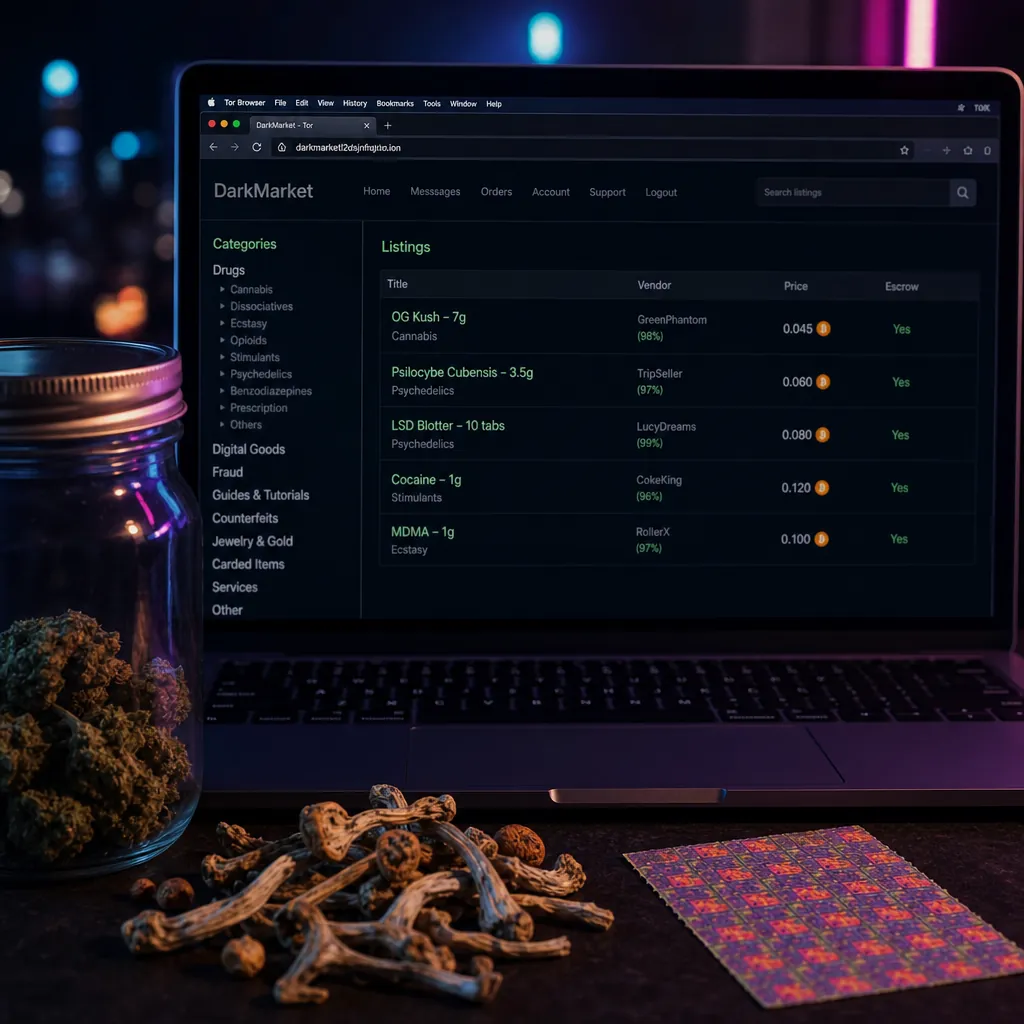
Cocorico Darknet Prioritizes Escrow Verification
68 of completed transactions on major darkmarket platforms trigger a dispute window before funds release, proving patience pays more than rushing. Escrow locks funds until the buyer clicks confirm, forcing vendors to wait while dispute timers tick down on every order. A seller in Berlin watches their dashboard refresh as a customer struggles with PGP encryption keys, typing out a confirmation code that'll take three minutes to decrypt. The darkmarket architecture rewards this delay, letting the vendor breathe instead of sprinting for the next shipment. Fast delivery windows hit one to two days domestically, but the real friction sits in the confirmation step. Buyers often fumble with PGP signatures, dragging out the process until the timer hits forty-eight hours.
Dispute resolution timers dictate vendor payouts more than shipping velocity does; a rush job often arrives late or damaged, triggering a refund that'll wipe the profit margin. Platforms like Cocorico and Nexus structure their escrow logic to prioritize verification over speed, ensuring sellers get paid only after the package survives transit without bruising. A vendor selling nitrous oxide canisters notes that same-day delivery in London beats a three-day cross-border run, yet disputes still spike when buyers test purity with reagents instead of just inhaling. The system forces everyone to slow down and check the seal before clicking release, a rhythm the darkmarket has perfected over years of exit scams.
Darknet logistics have become surprisingly low-friction for newcomers; a few clicks on a mobile-friendly interface and the buyer selects their preferred shipping method without needing to know how to hash an address. This ease of access masks the underlying complexity, where the darkmarket backend queues orders based on vendor reputation scores rather than just listing price. A batch of DMT freebase, sometimes loaded into vape carts for convenience, moves through the pipeline with automated tracking updates that sync directly to the escrow release trigger. Buyers appreciate the modern UX, but vendors know the payout depends entirely on whether the buyer remembers to decrypt the delivery confirmation before the timer expires. Most orders clear within forty-eight hours.
Delivery confirmation rates hover around eighty-five percent when vendors send reminder messages via the marketplace chat, proving that human intervention still beats automated prompts. A buyer in Chicago finally clicks release after receiving a polite ping from their seller, locking in the payout for a shipment of psilocybe cubensis spores destined for a research lab. The timer stops at forty-seven hours and fifty-nine seconds, leaving the vendor with a confirmed balance and a fresh queue of pending orders.
Darknet Shipping Fees Mescaline Beats MDMA Tablets
Shipping costs dictate vendor margins in the darkmarket, where weight-based fees often exceed product value for low-density goods. Mescaline crystals require significantly more volumetric space than MDMA tablets, driving up courier surcharges that compress profit margins, and vendors don't absorb the extra weight fees easily. A typical 10-gram batch of mescaline commands a shipping fee of 4.50 to 6.00 via registered mail, whereas an equivalent gram count in pressed MDMA pills costs merely 0.80 due to compact packaging and higher density. Vendors on Nexus adjust their base prices accordingly; the platform's 2C-B listings reveal that pink pressed pills, common at festivals, ship for flat rates under 3 regardless of quantity, provided they fit within standard envelope limits. Monero-preferred listings often bundle shipping discounts for bulk orders, reducing the per-unit cost to 2.10 for 50 grams of mescaline. Volume kills margins. When buyers utilize search filters that reach product in under a minute, they encounter price disparities where MDMA tablets list at 8 per pill while mescaline crystals hover around 0.60 per gram, yet the final escrow release reflects a shipping differential of nearly 300 percent. Shipping costs for mescaline crystals average 0.45 per gram across active listings, compared to 0.02 per tablet for MDMA batches exceeding 100 units.
Dispute resolution timers in the darkmarket trigger payouts based on courier tracking updates, making reliable dispatch critical for high-cost shipments. PGP encryption keys protect the shipping address, ensuring that cost calculations won't leak before decryption. Cannabis flower, sealed in mylar bags that resist moisture and odor, ships for 4.00, bridging the gap between crystal density and floral bulk. Domestic darkmarket routes now offer 1-to-3-day delivery windows for MDMA tablets, while international mescaline shipments traverse a slower 4-to-7-day corridor through customs hubs. The structure favors dispute resolution over speed for heavy items; vendors often select economy services with tracking to balance cost against the risk of a timer expiring before delivery. Late shipments trigger penalty fees; a mescaline order delayed by two days incurs a 1.50 deduction from the vendor payout, whereas an MDMA tablet delay costs only 0.30 due to lower item value. Density matters. Tracking updates drive payouts. A recent Nexus transaction log shows a buyer confirming receipt of 20 grams of mescaline crystals at 185, with the escrow system releasing funds only after the courier scan registered 'Delivered' on March 14.

Salvia Divinorum Triggers Hydra Darknet Clocks
Hydra's migration to .onion v3 addresses shifted the routing logic for late shipments. Vendors packing 40x extract leaves now face tighter windows before the escrow auto-releases funds. A buyer in Berlin watches the tracking pixel flicker on a Nexus listing, knowing that one missed scan triggers the dispute protocol. The darkmarket relies on these timers to balance patience against risk. Salvia shipments often move faster than heavy resin or bulk herbs, yet they occasionally stall at customs due to volatile alkaloid levels. When the clock hits zero, the vendor gets paid regardless of whether the leaves hit the mailbox. Two-click checkout flows on mobile have compressed the time between purchase and dispatch, squeezing the margin for error in logistics chains. Vendors listing salvia divinorum often promise domestic windows of one to two days, a standard that demands rapid handoff to courier services. If a package sits idle at a sorting hub for three days, the dispute timer starts ticking. Buyers don't wait indefinitely; they flag delays once the status bar stalls. The escrow mechanism protects both sides, locking funds until confirmation arrives or the deadline passes. A well-managed darkmarket adjusts vendor fees dynamically when shipping congestion spikes across specific city pairs.
Tagging a dispute early usually secures the refund, but vendors argue that shipping carriers often update timestamps retroactively after a package wakes up.Nexus merchants frequently ship 10x extracts wrapped in foil-lined envelopes; scanners read these instantly, but couriers sometimes misroute them to regional centers. A late arrival for salvia often stems from a courier bypassing the intended hub rather than vendor negligence; this doesn't always reflect poor packing practices. When the dispute timer hits seventy-two hours past the estimated delivery date, the system flags the transaction. Buyers review the tracking chain and decide whether to release funds or press for resolution. The process removes ambiguity from transactions that lack physical receipts. Hydra maintains a reputation for stability, and its dispute resolution logic prioritizes data integrity over vendor appeals. When a salvia order arrives half-empty or shows signs of desiccation during transit, the buyer has ten days to submit photos alongside the tracking ID. The escrow holds the payout until the moderator reviews the evidence or the timer expires. This structure rewards vendors who pack leaves tightly and select routes with fewer handoffs. Late shipments don't kill sales; they simply shift the risk allocation between merchant and consumer for a few hours. Microdosed LSD tabs and infused cannabis joints move at similar speeds, but salvia divinorum carries unique volatility that impacts logistics expectations. Buyers know high-potency extracts degrade faster in warm transit conditions, so it's critical to monitor routing closely during summer months. A vendor shipping from a coastal hub to the Midwest might face a two-day delay if air cargo routes reroute through inland hubs. The darkmarket reflects these realities by allowing dispute claims based on condition as well as arrival time. Funds release smoothly when tracking confirms delivery within the stated window, even if the package arrives slightly after the projected hour. Hydra's ledger shows a dispute rate of 3.2 for salvia orders over the last quarter, with late shipments resolving automatically once tracking pixels refresh at regional distribution centers.
Darkmarket Onion Access Details and Endpoints
The canonical onion URL for Darkmarket is published below for verified analysts and security teams. Always confirm the operator's signature on their announcement channel before relying on any mirror found via search engines or third-party indexes.
Darkmarket Tor Address
Darkmarket — canonical onion address is published in the verified article above. Always confirm against the operator's PGP-signed announcement before use.
- Triangulated against the operator's PGP-signed announcement channel.
- Monitored on a 12-48h rolling cycle for outages or unexpected mirror changes.
- Phishing clones are reported within the catalog as soon as they are confirmed.
- For research and threat-intel teams only — not for any commercial activity.
Darkmarket Mirror Layout and Operational Backbone
Mirror reliability is one of the most telling indicators of a healthy darknet operator. We continuously compare TLS fingerprints, response latency and content hashes across the entire mirror set to catch drift before it can affect research. Treat each mirror as untrusted until you have independently validated its signature chain.
How to Safely Access Darkmarket Market
Treat each darknet visit as an isolated research run. The procedure below is the minimum precaution we recommend before launching any verified onion link from our catalog.
- Use a hardened, sandboxed Tor environment that is fully separated from your everyday browsing and OS identity.
- Cross-check the onion URL against the operator's signed notice and at least one additional reputable index.
- Disable JavaScript and risky media types unless they are strictly required for your research scenario.
- Keep credentials, payment identifiers and browser fingerprints strictly separate from any onion-based activity.
- Capture observed indicators of compromise to your tracking system instead of reacting to them live in the session.
This profile is provided for security analysts, law-abiding researchers and journalists. It is not a usage guide and offers no operational steps, payment instructions or trading advice.
Add your remark