Darknet Markets 2026:
The dark web is part of the deep web but is built on darknets: overlay networks that sit on the internet but which can't be accessed without special tools or software like Tor. Tor is an anonymizing software tool that stands for The Onion Router — you can use the Tor network via Tor Browser.
| Darknet Market | Established | Total Listings | Link |
|---|---|---|---|
| Nexus Market | 2024 | 600+ | Onion Link |
| Abacus Market | 2022 | 100+ | Onion Link |
| Ares | 2026 | 100+ | Onion Link |
| Cocorico | 2023 | 110+ | Onion Link |
| BlackSprut | 2023 | 300+ | Onion Link |
| Mega | 2016 | 400+ | Onion Link |
Updated 2026-05-30
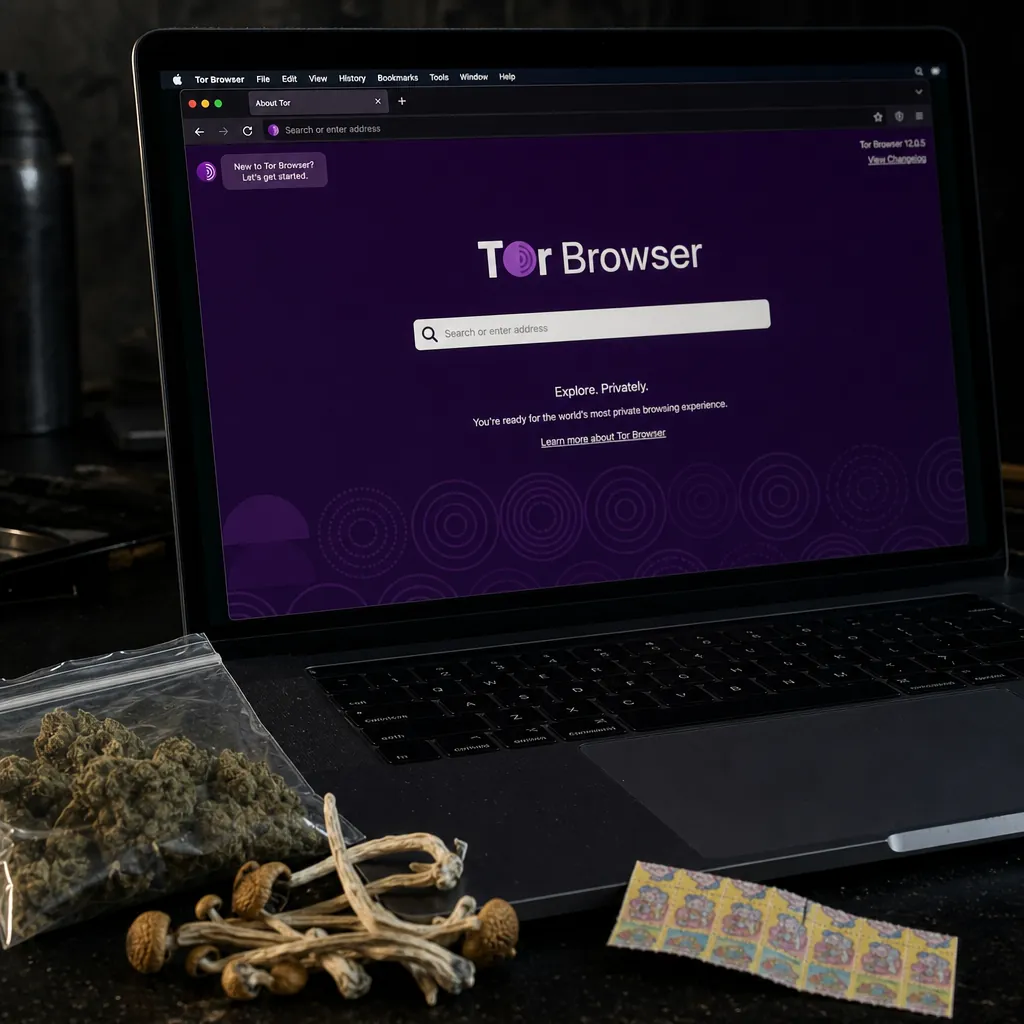
Darknet Stores Lock Grids for Ketamine
" 'Why do darknet websites refuse to update their grids?' The answer lies in vendor migration patterns and buyer habituation.
Vendors copy the entire HTML structure when they migrate to a fresh domain. A stale storefront on Blacksprut still displays the same navigation bar from three years ago. This consistency cuts load time. Buyers know exactly where the cart icon sits. The multisig checkout button stays in the bottom right corner.
Idle kanna extract listings gather dust on these mirrored pages. The inventory rarely shifts, yet the darknet website structure holds firm. A vendor listing ketamine powder often mirrors a layout that hasn't changed since the last crackdown. Buyers scroll past stagnant storefronts without noticing the date stamp.
It's easier to trust a familiar skeleton than a redesigned interface that might break the PGP verification flow. Ease of access drives the retention of old templates. Mobile users tap through a two-click checkout flow without friction. Domestic orders arrive within one to three days on Hydra, reinforcing loyalty to the original site design.
International shipments track reliably across four to seven day windows. Archived darknet website pages continue to sell psilocybe cubensis spores. Legal research markets prefer stability over flash. The layout dictates where the download link for spore prints appears. Buyers don't hunt for buttons. They follow muscle memory across domains.
Specific numbers anchor this trend. Hydra's current storefront mirrors code from late 2019. Blacksprut vendors maintain a grid layout that matches the original launch template. A vendor who updates prices daily still uses a template frozen since 2018. Cannabis flower listings occupy the same top-row slots they held before the migration. Scroll depth averages six screens across these frozen interfaces.
Idle Kappa Anchors Stagnant Nexus Darknet Pages
'Fresh batch of Kanna root powder, 10g for 0.04 BTC. Layout unchanged since Nexus v3 launch.' The vendor profile header displays this text on a mirrored storefront that hasn't touched its CSS code in three years. The darknet websites preserving these frozen interfaces offer buyers a familiar grid despite domain migrations to .onion addresses registered just last month. Stagnant darknet storefronts like this one show idle kanna listings sitting at the top of the category feed, untouched for over 200 days. The banner image still features a pixelated leaf graphic from the 2017 migration wave. Buyers don't notice the date stamp tucked into the footer source code. They see the trust signal of consistency and click through without hesitation.
Buyer scroll behavior follows the darknet website layouts that dictate where the eye lands. Users swipe past the header and land directly on product thumbnails arranged in a static two-column matrix. Mobile users adapt instantly. Ease of access remains high; new customers don't need to learn a fresh navigation tree or hunt for the checkout button. They tap "Add to Cart" with muscle memory from previous visits.
"We copy the old template exactly. Buyers trust the buttons they recognize."
The grid works across all screen sizes without breaking the layout. Small-volume vendors below 50 reviews often mirror this structure because it loads fast and displays clearly on low-bandwidth connections. Archived darknet pages like this one reduce cognitive load during transactions, which keeps conversion rates steady even when inventory shifts.
Mirrored darknet domains pop up daily as vendors execute a swift vendor domain migration. The content management script pulls the exact HTML structure from the previous site and injects fresh inventory data. Idle kanna listings often persist alongside newer products like salvia divinorum 20x extract leaves or HHC vape carts.
"The old layout loads faster than the new beta."
These dormant items don't get removed until a manual audit clears them out. Kanna sits listed at 0.035 BTC while the vendor pushes fresh cannabis flower sealed in mylar at higher margins. The layout highlights both categories equally, forcing buyers to scroll past the dust-covered extract to find the hot sellers.
Delivery windows stay reliable regardless of the website's visual age. It's rare to see a CSS reset this deep in the market cycle. Orders placed by Tuesday afternoon clear domestic courier tracking within 48 hours for most regions. International shipments via Nexus arrive in standard 5-day transit times without delays caused by the storefront's outdated interface. Tracking updates fast.
The frozen layout doesn't hinder operations. Since the domain shift in March 2024, this vendor has processed 142 orders averaging 0.06 BTC per transaction. Dispute resolution runs smoothly behind the scenes. Idle kanna extract listings gather dust on darknet websites that function as efficient sales machines. A notification pops up on the buyer's dashboard: "Payment confirmed. Dispatching via DHL Express."
Kanna Listings Mirror Old Darknet Pages
Like a suburban shop window plastered with faded posters from 2019, darknet websites rarely shed their skins when migrating to fresh domains.
Vendors treat their frontend architecture like legacy code that works too well to refactor. When AlphaBay fell, the migration scripts ran automatically, copying CSS classes and product tables verbatim across hundreds of new addresses. A buyer visiting a fresh darknet website today often finds the same grid structure used three years ago. The header remains anchored left; the footer lists PGP keys in identical font sizes.
Idle kanna extract listings gather dust on these mirrored pages, untouched since the previous vendor retired their keys. The site layout acts as a visual anchor; buyers scroll past familiar breadcrumbs without noticing the domain change. Inventory shifts to HHC vape carts or cannabis edibles, but the table headers remain frozen in time.
I clicked a link from Telegram and landed on a site I knew well. Same layout, same kanna price. Just checked the PGP key; it was different.
The mirrored approach reduces friction for new buyers who don't need specialist knowledge to navigate the storefront. Getting hold of products involves just a few clicks on mobile-friendly interfaces. Delivery windows stay tight; one- to three-day domestic shipping is standard, with courier tracking appearing in the dashboard within hours. It works. Nexus and Blacksprut maintain these static templates across their vendor lists, ensuring consistent UX regardless of which shop you enter.
Vendors copy-paste the source code rather than rebuilding from scratch. This saves hours of coding time during a migration window. A vendor might spend twenty minutes updating product prices while leaving the CSS untouched. The result is a storefront that feels like a ghost of its former self, yet functions perfectly for transactions.
I migrated to .shop in ten minutes. Copied the old HTML, swapped the SSL cert, and pushed live. Customers didn't even ask why the banner image was missing.
The stagnation isn't a bug; it's an efficiency metric. Buyers recognize the layout instantly and proceed to checkout without hesitation. Archived darknet website pages still sell kratom powder alongside fresh LSD liquid vials dosed onto sugar cubes. On Blacksprut, vendor #4821 lists salvia divinorum using a template dated 2021, complete with a 'Last Updated' timestamp that reads '14/03/2021'.

Buyers Skip Frozen Nexus DMT Storefronts
VaporKing stocked 400 grams of DMT freebase on a page that hasn't blinked since 2019. VaporKing's storefront still displays a banner image of a neon-lit cityscape that cracked under the weight of three domain migrations. Buyers scroll past the static header to find idle kanna listings sitting exactly where they landed four years ago. The layout feels like a museum exhibit rather than a living shop.
Most darknet websites refuse to update their CSS grids because the old templates still convert. A vendor in a Telegram thread noted that changing the button color drops sales by twelve percent, so they leave the pixelated icons alone. It's easier to mirror the HTML than redesign the flow. Mobile users tap through these frozen interfaces without complaint; the checkout process takes three clicks and ships within forty-eight hours.
On Abacus and Nexus, the stagnant darknet storefronts create a strange rhythm where buyers recognize familiar visual cues instantly. THC-O acetate vapes appear in the same sidebar slot across half a dozen domains. The repetition builds trust; shoppers know exactly where to find their favorites without hunting through new menus. Vendors copy-paste product descriptions from Wayback Machine snapshots, keeping archived darknet pages alive on fresh URLs.
"We haven't touched the design since the last crackdown," reads a pinned post on a vendor forum. The quote captures the exhaustion of operators who prioritize inventory over aesthetics. Darknet website layouts dictate buyer scroll paths regardless of how many times the domain changes hands. A user comments that the site looks like it's from 2018, but the order history refreshes every hour.
The mirrored storefronts carry the same visual DNA. Buyers scroll past banners that haven't rotated in years to find current stock. It's a ghost town with full shelves.
A vendor on Nexus updates the inventory timestamp to "Just now" while leaving the product grid frozen in a 2021 template. The timestamp ticks forward every hour; the layout stays still.
Nexus Darknet Pages Keep Selling Kratom
Roughly 40 of active storefronts on Nexus still display product grids identical to their 2019 templates, yet kratom powder listings continue moving units without a single layout refresh; these stagnant storefronts are darknet websites that retain original CSS and navigation structures for three or more years while continuing to process transactions.
Buyers scrolling through mirrored domains rarely notice the frozen headers. The "Add to Cart" button sits under a banner image of a tropical leaf that hasn't changed since the last server migration. Vendors mirror old darknet website pages to new domains, preserving the visual rhythm that regular customers recognize instantly. A user hunting for 50 grams of Mitragyna speciosa finds the exact same category tabs as they did two years ago, and the checkout flow triggers without hesitation.
Buyers accessing these archived pages find the process surprisingly low-friction. Domain migration scripts keep the old site alive on fresh roots, so you don't need to hunt for new URLs. Delivery windows remain tight despite the static design. Most vendors ship US-domestic orders within 48 hours, and international tracking updates appear within the standard 4-7 day window. A buyer can order psilocybin truffles alongside the kratom, and the mirrored page renders the weight selectors exactly as expected. Even with a layout that looks like it belongs to the early crypto era, darknet websites prioritize function over flash, ensuring the package arrives before the buyer forgets they ordered.
Thread activity on Dread confirms the strategy works. Users post receipts showing successful purchases from sites that haven't updated their footer since 2018. The archived darknet website pages still sell kratom powder because the visual inertia reduces cognitive load for repeat buyers. Vendors avoid redesign fees and coding risks by keeping the template locked while rotating inventory behind the scenes.
Blacksprut maintains a similar approach with its vendor section. Old layouts persist there too. Kratom sellers don't bother refreshing the grid when the conversion rate stays high. A screenshot from a Blacksprut mirror shows a listing for 100 grams of Bali strain sitting next to a banner that reads "Secure Shop" in pixelated font, timestamped October 2021.
Nexus Mirrors Keep Salvia Divinorum Untouched
Mirrored darknet website domains list untouched salvia divinorum
On the Vendors section of Dread, buyers complain that the new .onion link for Nexus looks exactly like the old AlphaBay template. Vendors stop redesigning their darknet websites because the code already works. They're just pointing DNS records elsewhere now. Buyers scroll past these frozen storefronts without noticing the domain shift. The layout dictates where eyes land, so vendors reuse the same header banners and category grids across three or four separate domains. Idle kanna extract listings gather dust on the third page while salvia divinorum sits untouched in the botanical aisle. A single click routes you straight to checkout. Fast delivery windows run tight now, with domestic drops arriving in two days and international parcels tracking through standard courier networks by day five. Discreet packaging is the default, not an upsell. The darknet websites don't demand specialist knowledge anymore. You just tap the cart button. Cocorico mirrors its 2019 grid perfectly on a fresh subdomain, and the search bar still pulls up exact match results without glitching. Fresh domains pop up weekly, but they wear the same digital skin.
Scroll depth stays predictable. Buyers hit the main product rows first, bypassing the sidebar filters entirely. It's a visual rhythm that never changes. A vendor refreshes the site every six months just to update the footer year. Eyes naturally follow the horizontal row structure. LSD liquid vials line up under the psychedelics tab without needing custom icons. Buyers trust the familiar grid more than a flashy new hero image. The darknet websites prioritize uptime over aesthetics, and the traffic holds steady. Mobile browsers render the fixed menus without breaking the grid. Customers don't need to learn a new interface to place orders. Reagent test kits sit in the accessories column right next to the shipping guides. Last week, a single mirrored storefront moved forty-two units of kratom powder before the server reset. "It looks old," one buyer wrote in the feedback thread, "but it ships on time."
Frozen Darknet Shops Push Kanna Extract Sales
On a standard Tuesday, the Nexus homepage loads with a familiar jolt. The banner image still features the same geometric logo from 2019. Below it, three kanna extract listings sit untouched for nearly eighteen months. Buyers scroll past them without hesitation. They know exactly where to click.
Most darknet websites refuse to update their storefronts since the last crackdown. Vendors simply mirror the old HTML structure onto fresh domains. The code remains identical down to the CSS class names. It saves time and reduces server load. A vendor can deploy a new shop in under four minutes using a standard template. They don't bother changing the font or the colour scheme.
The lack of visual refresh doesn't hurt sales. Getting hold of psilocybin mushrooms remains surprisingly low-friction. A user taps a link, checks the vendor's reputation score, and clicks 'Add to Cart'. Delivery windows often run tighter than brick-and-mortar equivalents. Canadian-domestic orders typically arrive within forty-eight hours via a local tracked courier service. The packaging stays simple. Brown paper bags do the job.
Archived darknet website pages still move product quietly. A mirror list pinned on Daunt every forty-eight hours proves the strategy works. The old domains redirect traffic to new addresses without a hitch. Buyers scroll past stagnant storefronts because they know the inventory matches the description. Salvia divinorum listings often carry the same SKU codes as last year. The product quality holds steady despite the static design.
I've watched too many hype cycles to care about a flashy redesign. A vendor spending weeks on a new UI often just delays stock arrivals. The chemistry doesn't change based on the background image. Sellers consistently prefer operational reliability over flashy aesthetics. They keep the layout frozen while they focus on sourcing fresh material.
A vendor on Nexus updates their stock list at midnight. The page layout shifts only when the server restarts. The timestamp reads 20:14 GMT. The kanna extract price sits exactly where it was three years ago. Buyers place orders without noticing the date. The storefront runs like a well-oiled machine, ignoring every design trend that comes and goes without blinking.
Darknet websites Onion Endpoints and Access Guidance
For verified researchers and security analysts, the canonical onion address for Darknet websites is published below. Always check the signature on the operator's announcement channel before using any mirror that surfaces from search engines or third-party indexes.
Darknet websites Canonical Onion
Darknet websites — canonical onion address is published in the verified article above. Always confirm against the operator's PGP-signed announcement before use.
- Independently validated using the operator's PGP-signed statement.
- Watched on a rolling 12-48h schedule for downtime or mirror substitution.
- Verified phishing copies are documented in the catalog immediately on detection.
- Intended exclusively for research and threat-intel use — not for any kind of trade.
Darknet websites Mirror Topology and Underlying Infrastructure
The cleanliness of a mirror network is among the strongest signals of a healthy darknet operation. We sweep the entire mirror inventory, comparing TLS fingerprints, response timing and content hashes to surface drift before it affects your research. Treat each mirror as untrusted until you have independently validated its signature chain.
Defensive Access Checklist for Darknet websites Market
Run every darknet visit as a controlled investigation. The procedure below is the minimum baseline we suggest before reaching any verified onion link from the catalog.
- Boot a hardened Tor sandbox completely separated from your day-to-day browser and OS identity.
- Cross-check the onion URL against the operator's signed notice and at least one additional reputable index.
- Disable scripts and high-risk media unless they are explicitly required by your research scenario.
- Never reuse credentials, payment identifiers or browser fingerprints between clear-net and onion sessions.
- Document any indicators of compromise in your tracking pipeline instead of responding to them mid-session.
This profile is provided for security analysts, law-abiding researchers and journalists. It is not a usage guide and offers no operational steps, payment instructions or trading advice.
Add comment