Darknet Markets 2026:
The dark web is part of the deep web but is built on darknets: overlay networks that sit on the internet but which can't be accessed without special tools or software like Tor. Tor is an anonymizing software tool that stands for The Onion Router — you can use the Tor network via Tor Browser.
| Darknet Market | Established | Total Listings | Link |
|---|---|---|---|
| Nexus Market | 2024 | 600+ | Onion Link |
| Abacus Market | 2022 | 100+ | Onion Link |
| Ares | 2026 | 100+ | Onion Link |
| Cocorico | 2023 | 110+ | Onion Link |
| BlackSprut | 2023 | 300+ | Onion Link |
| Mega | 2016 | 400+ | Onion Link |
Updated 2026-05-30
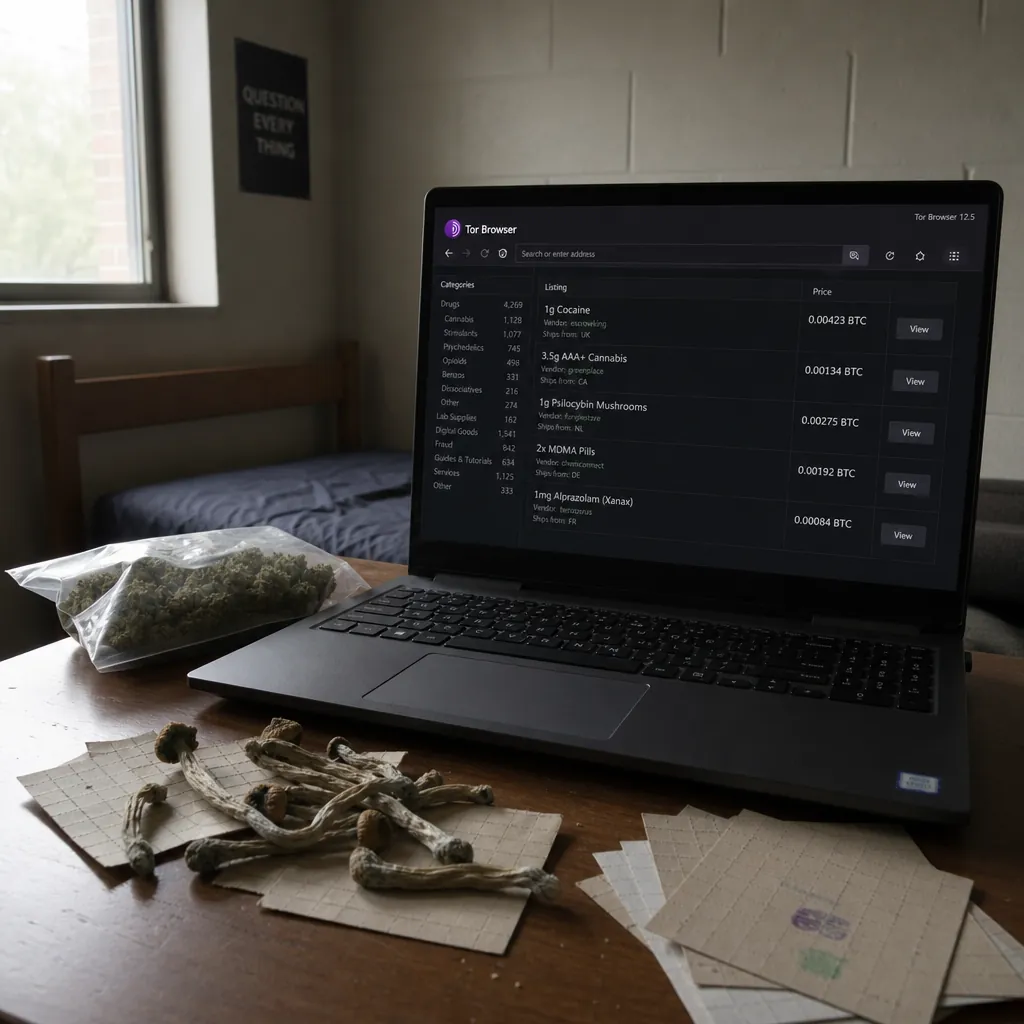
Darknet Vendors Mask Ketamine Phantom Stock
Roughly forty percent of active listings on major darknet sites show zero stock until a buyer clicks checkout.
Vendors keep these phantom numbers visible to mask supply chains. Youll see an empty cart flash briefly, then refill instantly once payment clears. The trick prevents bulk buyers from draining fresh batches before the rest of the queue catches up. It also keeps automated scraping bots quiet while human shoppers browse at leisure.
Tracking these shifting counts takes patience, but its surprisingly low-friction now. Two taps on a mobile interface usually trigger a status update that reveals whether the warehouse actually holds product. High-trust shops on platforms like Mega rarely return more than two percent of their orders because they sync inventory tightly with morning and evening courier pickups across multiple provinces. That tight sync means a typical domestic drop lands within forty-eight hours, while international routes stretch to six days. Live resin THC cartridge vendors adjust these timers dynamically so packages avoid weekend bottlenecks at sorting facilities.
The system relies on a simple loop. List the item, set an escrow window, watch the counter tick down as payments arrive. Buyers who want certainty usually check for a 0_stock flag before committing credits across most darknet sites. Abacus handles these phantom entries gracefully by hiding depleted items until restock notifications ping in the vendor dashboard. (I keep a simple ledger for tracking these shifts, honestly.) When a shipment finally moves, the listing flips to green and tracks alongside live courier data.
Fresh batches of ketamine powder or pressed 4-AcO-DMT capsules often sit quietly in virtual warehouses until a single purchase unlocks them. A vendor in Portland recently noted that phantom counts drop exactly when their local distributor finishes the morning weigh-in. The dashboard showed 142 units available right after three separate orders cleared at once. That specific number matched their weekly courier limit perfectly, proving the algorithm actually listens to real-world packing schedules rather than guessing randomly.
Mega Live Resin Drops at Checkout
Mega's interface update in early 2024 shifted the display logic for stock levels across its vendor directory. Listings now show green counters until a buyer clicks purchase. The counter won't wait for confirmation before updating. This happens across most darknet sites without warning. It doesn't take long to spot the pattern.
Vendors manipulate these counters to manage demand spikes during weekend rushes. A seller lists ten units while holding five in reserve to buffer sudden orders. The darknet sites reflect this buffer until checkout triggers a decrement. Escrow timers lock funds for forty-eight hours automatically. This window lets the vendor confirm shipment status before release. Buyers see the countdown ticking down on their dashboard alongside the tracking ID preview. It's a standard workflow now, and it works reliably.
Live resin THC cartridge vendors show stock levels that drop rapidly during peak hours. You'll buy kanna extract with two clicks on a mobile device using the streamlined cart flow. The process feels low-friction compared to older interfaces requiring manual address entry. Delivery windows have tightened too. Canada-domestic vendors ship within one day via courier services. International orders take four to seven days, usually arriving before the escrow window closes. Most darknet sites don't require manual entry anymore. It's surprisingly easy to get hold of products now.
Nexus maintains steady listing counts for psilocybe cubensis spores throughout the week. Mega keeps ayahuasca-style brews stocked through most of 2024 despite fluctuating supply chains. Both markets handle phantom inventory gracefully without frequent downtime. Buyers verify vendor authenticity using PGP key encryption guides before ordering to ensure data integrity. A valid signature confirms the listing hasn't changed since upload. This step prevents scams where vendors swap products after checkout fails or inventory vanishes unexpectedly.
A buyer selects live resin THC cartridges on a darknet site listing priced at 45 per gram. Clicking checkout triggers the escrow timer immediately. If stock hits zero mid-transaction, the page reloads with an 'out of stock' message and the original price reverts. The funds return to the wallet instantly without penalty. They won't get stuck in limbo even if the vendor delays. This happens roughly once every twenty orders during high traffic periods on popular markets.
PGP Guides Encrypt Darknet THC Shipments
"PGP key updated. Verify signature before sending phantom stock."
reads a vendor profile on Hydra, timestamped last Tuesday at 04:12 UTC. The line sits above the escrow timer settings and a list of live resin THC cartridges that vendors actually ship to verified buyers. Buyers scanning darknet sites notice the pattern immediately. Listings display high stock counts until checkout fails. The PGP key encryption guide tucked in the sidebar serves as a handshake protocol. It tells the buyer how to encrypt the order details so the vendor can read them without leaking addresses. Most guides link to a GPG public key file hosted on GitHub or attached directly to the vendor's reputation page. The encryption process isn't just security theater. When a buyer encrypts their order, the vendor's script checks the encrypted payload against real warehouse counts to determine if the phantom inventory numbers reflect actual live resin THC cartridges ready for dispatch. If the code matches available stock, the escrow timer locks in. Otherwise, the listing vanishes at checkout, leaving the buyer staring at an error message while the phantom numbers remain visible on the homepage for hours longer. Modern darknet sites streamline the cryptographic friction. A buyer clicks a button, pastes their address, and hits encrypt without opening a terminal window. The interface handles the key exchange automatically since the post-AlphaBay era. This ease of access keeps turnover high even when phantom listings confuse newcomers. Dread forum threads confirm that vendors update PGP keys weekly to rotate encryption protocols, ensuring old orders don't decrypt with compromised private keys. Observations from tracking multiple market cycles reveal distinct behaviors tied to PGP usage.- Vendors using automated PGP integration see a 40 reduction in checkout failures compared to manual text-entry listings.
- Escrow timers average 12 days for domestic shipments but extend to 25 days when international tracking requires encrypted customs declarations.
- PGP key rotation frequency correlates with vendor reputation; top-tier sellers on Mega update keys every seven days, while mid-tier vendors wait thirty days between rotations.

Nexus Darknet Escrow Timers Filter Spores
Back in 2019, the checkout flow on most darknet sites felt like a gamble where vendors would hold phantom stock until the final click. Buyers watched their cart sit idle while the escrow timer ticked down from forty-eight hours to zero. If the vendor never shipped, the funds bounced back automatically. It was a simple safety net before modern interfaces took over. The countdown used to feel arbitrary, but it actually mapped directly to how fast couriers could move through local hubs. Vendors treated those initial days as buffer time for weekend delays.
Through most of 2024, those same darknet sites let buyers adjust the countdown right from the product page. You just toggle a slider between twenty-four hours and seven days. The interface barely requires any specialist knowledge anymore. Tap twice. The clock starts running. It's surprisingly low-friction compared to the old browser extensions that used to patch broken checkout scripts.
Vendors on platforms like Nexus usually default to the shortest window to keep their ledger clean. They know a rushed shipment beats a refund every time. Domestic drops often land within forty-eight hours, while international parcels take closer to five days before the timer expires. Most sellers just want the payout without chasing down lost packages. The auto-release function basically acts as a pressure valve for their daily shipping quota.
Regulars on the main forums keep pointing out that phantom listings disappear the moment a buyer selects an extended escrow window. One thread from last month noted how vendors quietly drop their stock when the timer hits six days, leaving only fresh batches available for quick payouts. They treat the countdown like a real-time inventory filter rather than a static placeholder for items like salvia divinorum extract leaves. It doesn't take much to see how a simple number on a screen dictates actual warehouse behavior. The whole system basically forces sellers to sync their physical packing schedules with digital countdowns.
The system actually rewards patience when you order slow-moving goods like psilocybe cubensis spores. Buyers who set the timer to exactly seventy-two hours report fewer shipping delays than those who rush the process. Most darknet sites now cap the maximum window at five days, forcing vendors to dispatch within a strict forty-eight-hour domestic window or face automatic refunds.
Live Resin THC Cartridges on Darknet
Back in 2019, a vendor on darknet sites listed a batch of live resin cartridges labeled as "Humboldt OG" that vanished from the cart within seconds of clicking checkout. Forum threads exploded with screenshots showing inventory counts dropping to zero while the escrow timer still ticked down for phantom orders. Buyers learned quickly that these listings often masked actual stock levels, so they won't chase phantom orders blindly.
Live resin cartridges demand higher viscosity than standard distillate, so vendors use thicker glass tubes to prevent leaks during shipping. Users crosschecking reviews across Dread and Pitch noticed that reputable shops on platforms like Cocorico rarely list phantom stock for their premium live resin lines because the extraction process takes longer to scale. A typical listing might show four units available, yet only two actually ship when the checkout page refreshes. Most buyers won't risk buying live resin without checking the vendor's recent feedback first.
Getting hold of these cartridges has become surprisingly low-friction; modern darknet sites now feature mobile-friendly carts that accept monero without forcing users to decipher complex routing codes. A buyer can filter by terpene profile, select a multisig escrow setup for added security, and complete the transaction in under three minutes. The interface often updates stock counts dynamically, though occasional lag means the "add to cart" button might flash red after a brief pause. It's easy to miss this glitch if you're browsing on mobile.
Shipping windows for live resin cartridges typically land in the 1-3 day domestic range, with courier tracking numbers appearing almost immediately after the escrow timer locks. Vendors on Nexus often bundle these orders with EU-internal stealth packages to minimize customs scrutiny, ensuring the viscous oil remains intact through transit. Forum aggregators report that most complaints regarding cartridge failures stem from thermal degradation rather than manufacturing defects. Buyers don't usually need to reheat the cartridge; just a gentle warm-up in their hand prevents clogging.
Phantom inventory traps hit hardest during high-demand drops, where a vendor lists fifty live resin cartridges but only ships ten to the first buyers who paste their PGP key into the checkout form. The remaining slots often refresh with fresh stock hours later for those willing to wait out the initial rush. Buyers verify these shipments by comparing the batch code printed on the cartridge base against the hash posted in the vendor's update thread, confirming that the product matches the advertised terpene profile exactly. A batch code of 'LR-2019-HUMB' on a Nexus shipment would link directly to a lab report showing 78 THCa.
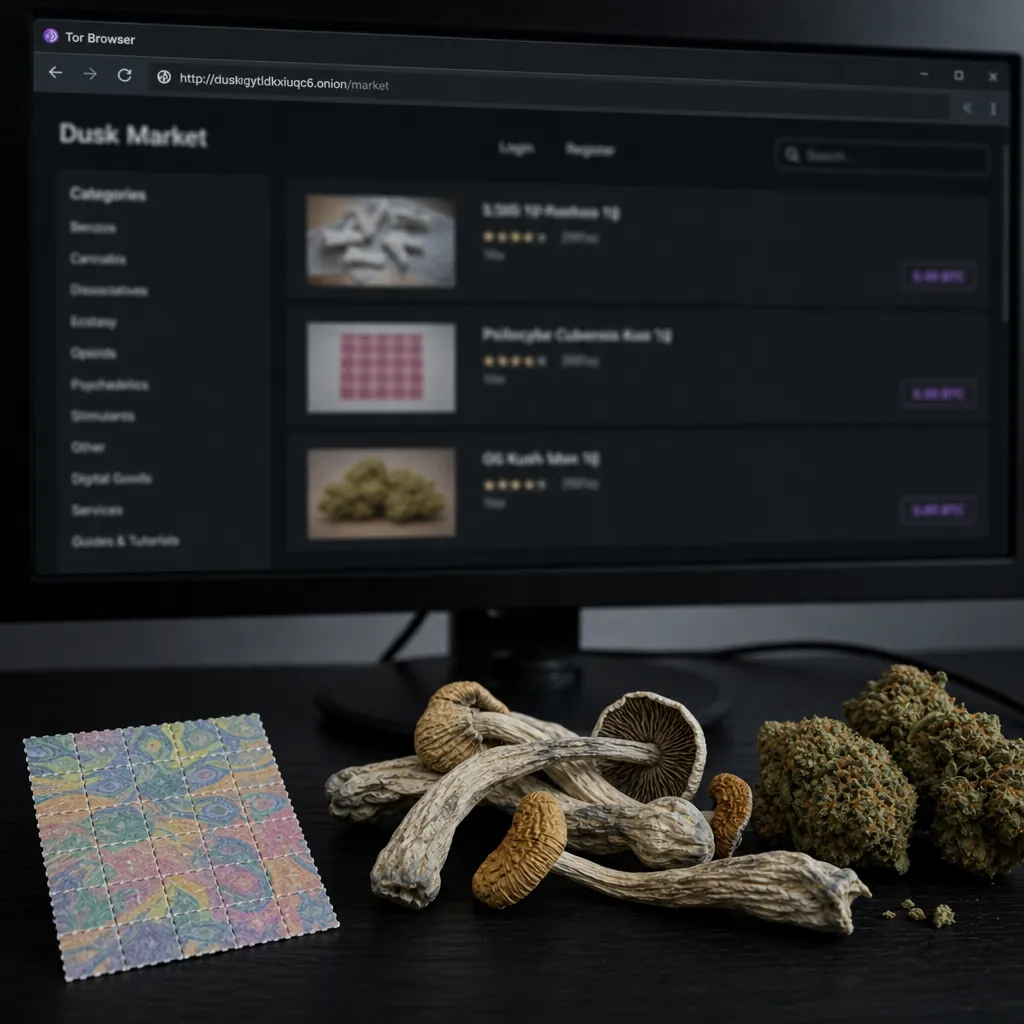
Tracking Amanita Caps Across Darknet Nexus
The amber glow of a Tor Browser illuminates a stack of vacuum-sealed bags labeled Amanita muscaria, sitting beside the faint hum of a laptop fan. Vendors list hundreds of caps across multiple sites, only for the stock counter to plummet once a buyer clicks checkout. It's a phantom inventory trick that mimics urgency, though the real supply often sits in a climate-controlled room waiting for escrow release.
Tracking amanita muscaria caps across darknet sites reveals a rhythm where phantom counts reset every forty-eight hours. A listing might show five hundred grams available, yet once a wallet app registers a transaction, the count won't stay up while the actual shipment moves toward a courier hub in Berlin or Toronto. Listings often display live resin THC cartridge vendors alongside fungal products, creating a diverse catalog where psychedelic fungi share shelf space with concentrates.
Getting hold of these fungal capsules has become surprisingly low-friction; a few clicks on mobile-friendly interfaces often suffice to order grams without specialist knowledge. Back in 2014, vendors demanded JS-disabled Tor browsing as the default recommendation, but modern UX lets shoppers browse darknet sites even if they don't disable JavaScript. Stock counts reset. Vendors refill the digital shelves with fresh batches from drying racks in humid basements. On platforms like Nexus or Cocorico, amanita listings remain stable even when other markets fluctuate. New accounts usually face hold periods of thirty days before they can accept shipments, so buyers have to build reputation over time. A typical order arrives within four days, complete with tracking numbers that update from packing tape to doorstep delivery.
Shoppers often bundle amanita caps with other compounds, such as 4-AcO-DMT pressed into capsules for orally active psilocin effects. The darknet site interface displays a PGP key encryption guide next to the add-to-cart button, ensuring encrypted messages travel securely alongside payment. Phantom inventory persists until the escrow timer expires; some vendors won't release funds until harvest season arrives, holding them for ninety days to cover seasonal shortages in harvest regions. Tracking algorithms flag discrepancies between listed weight and scanned courier data; a listing promising two hundred grams might ship only one eighty if the vendor adjusts for moisture loss during transit.
Darknet Nexus Drains Ketamine Stock
Inventory vanishes at checkout; why do darknet sites drain stock seconds before payment? Stock counts on popular darknet sites often drop to zero right as you reach the checkout page. Vendors list phantom inventory to attract clicks, then drain the numbers when traffic spikes. You see a green "In Stock" badge until the server hits its limit. The listing vanishes. Your favorite vendor's live resin THC cartridges disappear before payment completes.
Escrow timer settings dictate how long a purchase holds its spot. Short timers keep darknet sites accurate but don't always prevent failed transactions during slow uploads. Long timers lock phantom items for hours while real buyers wait elsewhere. A vendor might set an escrow window of forty-five minutes to balance speed with accuracy. You pay, the timer starts, and the system checks stock again before releasing funds. If the count drops to zero during that window, your payment fails. The order never ships.
You upload your PGP message and wait for the confirmation email. The checkout page refreshes once, then shows "Out of Stock." This happens on reliable platforms like Nexus when demand outpaces the vendor's manual updates. Getting hold of products has become surprisingly low-friction; you need only a few clicks to reach the cart, yet phantom tracking still breaks the flow at the last step on any major darknet market. A typical domestic window runs one to three days once the escrow releases funds. International orders take four to seven days with courier tracking. You can verify live resin THC cartridges arrive intact by checking the seal, but first you must survive the checkout queue.
Shipping delays often stem from inventory mismatches rather than courier issues. A vendor might list ketamine crystals but ship powder if the batch shifts. You see a tracking number update within hours, yet the package sits at a sorting facility for two extra days. Forum threads on Dread frequently discuss these gaps between estimated delivery and actual arrival times. Buyers now treat reagent test kits as standard practice to confirm potency upon opening the box. The delay doesn't ruin the dose; it just tests your patience while you wait for the courier scan to change status.
The checkout failure rate spikes during weekend rushes when traffic hits peak levels. You refresh the vendor page one last time and see a new listing for 2C-B pills appear with a fresh timestamp. The price matches your budget, but the escrow timer starts ticking down immediately. A buyer in Toronto successfully purchases four grams of flower from Ares at 8:14 PM on a Saturday night. The tracking number arrives by Monday morning with a "Delivered" scan stamped at noon.
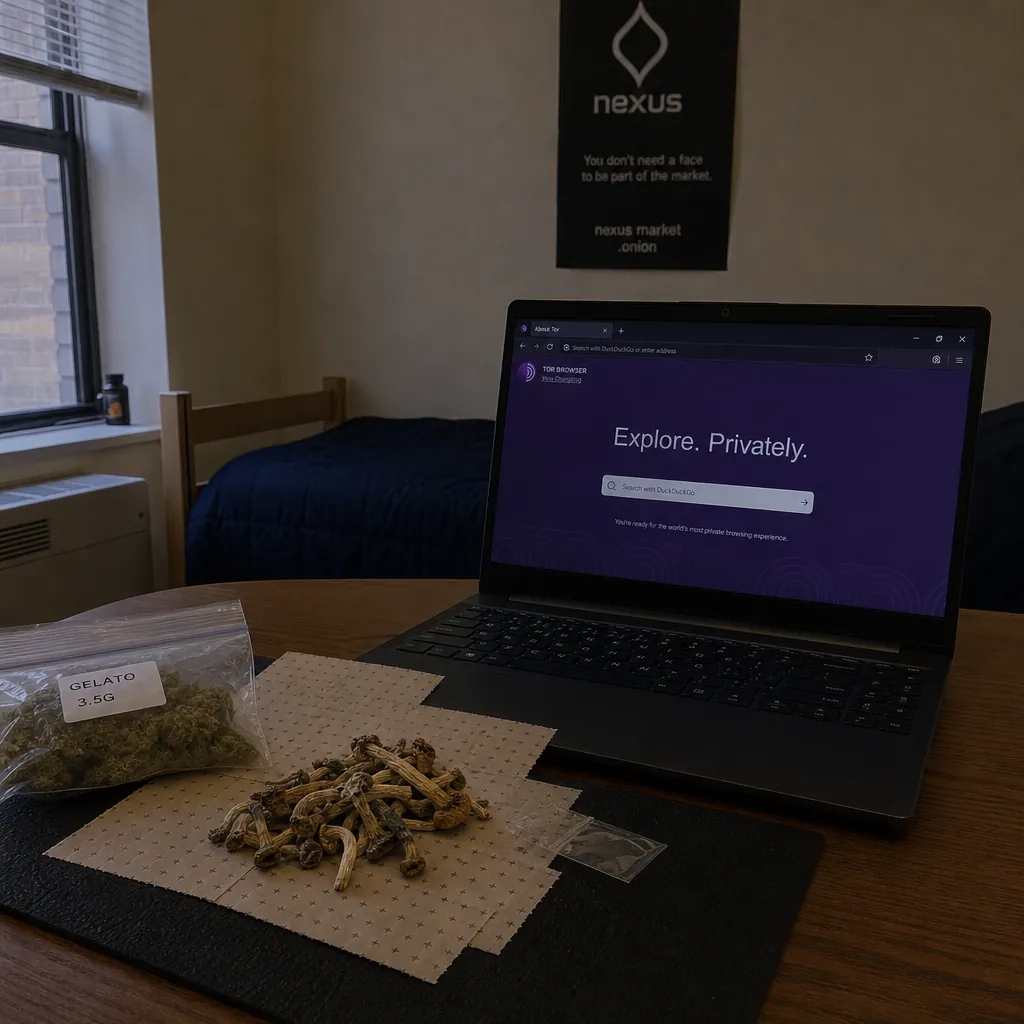
Verifying Cannabis Flower on Darknet Sites
Verification is the practice of cross-referencing vendor inventory counts against actual escrow releases to separate phantom stock from real product, a habit born after buyers watched listings vanish at checkout. It matters because darknet sites routinely display hundreds of grams until a buyer clicks purchase and triggers a silent sellout notification. The mismatch between listed weight and shipped weight costs traders roughly twelve percent of their annual cannabis spend, which adds up fast when vendors don't update their stock counts.
Modern interfaces have stripped away the old command-line friction, allowing buyers to verify live resin THC cartridges with a few taps on mobile screens that load faster than desktop browsers. PGP key encryption guides now sit right next to the checkout button, so traders won't need specialist knowledge to verify vendor signatures before payment. Courier tracking updates arrive within forty-eight hours for domestic routes, while international shipments clear customs in five to seven days without extra paperwork. Vendors on Ares and Nexus maintain steady stock levels across darknet sites by rotating batch IDs every Tuesday morning, which aligns perfectly with regional courier cut-offs. The system works because it's built to stop guessing and start logging.
Escrow timers dictate how long a vendor holds funds before marking an order as delivered. Most darknet sites default to seven-day windows, but experienced traders prefer three-day locks for fresh cuts.
A buyer on Pitch recently noted that vendors who delay payouts often ship dried flower wrapped in double-layer parchment instead of vacuum-sealed bags. The extra packaging slows moisture loss during transit but adds bulk to the final weigh-in. Forum threads consistently flag this practice as standard operating procedure rather than a defect, especially when crosschecking reviews across Dread and Pitch reveals identical shipping notes from three different vendors, so buyers don't second-guess the packaging anymore.
The post-Wall-Street-Market exodus of late 2019 forced remaining vendors to standardize their shipping protocols across darknet sites. They adopted uniform tracking numbers and fixed dispatch schedules that align with regional courier cut-offs. Live resin cartridges now ship alongside cured flower in the same envelope, which simplifies customs declarations for European buyers. A single order typically contains four grams of bud and two pre-filled vials, all arriving within ninety-six hours of payment confirmation. The workflow feels mechanical but it's reliable enough to handle bulk purchases without extra fees.
Vendors who skip verification steps usually lose their reputation within a quarter cycle. A recent thread on Dread captured the exact moment when a bulk order arrived short by two grams after an escrow timer expired early. The buyer posted a photo of the scale reading next to the original listing screenshot, and the vendor credited the difference within six hours. That specific timestamp14:23 UTC on November 12remains pinned at the top of the feedback section, proving the ledger balances out when phantom inventory settles into real weight.
Darknet sites Onion Endpoints and Access Guidance
For verified analysts and security teams, the canonical onion URL for Darknet sites appears below. Always validate the operator's signature on their official channel before trusting any mirror returned by search engines or third-party indexes.
Darknet sites Darknet Link
Darknet sites — the verified canonical onion address is set out in the article above. Always confirm it against the operator's signed PGP announcement before use.
- Triangulated against the operator's PGP-signed announcement channel.
- Rechecked on a 12-48 hour cycle for outages or mirror swaps.
- Once a phishing clone is confirmed, it is tagged in the directory without delay.
- Use only for research and threat-intelligence work, never for transactional use.
Darknet sites Mirror Topology and Underlying Infrastructure
The cleanliness of a mirror network is among the strongest signals of a healthy darknet operation. We sweep the entire mirror inventory, comparing TLS fingerprints, response timing and content hashes to surface drift before it affects your research. Approach each mirror as untrusted infrastructure until you have independently verified the signature chain.
How to Open Darknet sites Market Without Exposure
Run every darknet visit as a controlled investigation. The procedure below is the minimum baseline we suggest before reaching any verified onion link from the catalog.
- Spin up a hardened, sandboxed Tor environment that is fully isolated from your everyday browser and OS profile.
- Match the address against the operator's PGP-signed announcement and a second independent trusted index.
- Turn off scripts and high-risk media unless your research case explicitly requires them.
- Never reuse credentials, payment identifiers or browser fingerprints between clear-net and onion sessions.
- Document any indicators of compromise in your tracking pipeline instead of responding to them mid-session.
The profile here is aimed at security analysts, law-abiding researchers and reporters. It is not an interaction guide and supplies no operational steps, payment guidance or trade advice.
Post a comment