Darknet Markets 2026:
The dark web is part of the deep web but is built on darknets: overlay networks that sit on the internet but which can't be accessed without special tools or software like Tor. Tor is an anonymizing software tool that stands for The Onion Router — you can use the Tor network via Tor Browser.
| Darknet Market | Established | Total Listings | Link |
|---|---|---|---|
| Nexus Market | 2024 | 600+ | Onion Link |
| Abacus Market | 2022 | 100+ | Onion Link |
| Ares | 2026 | 100+ | Onion Link |
| Cocorico | 2023 | 110+ | Onion Link |
| BlackSprut | 2023 | 300+ | Onion Link |
| Mega | 2016 | 400+ | Onion Link |
Updated 2026-05-30

Darknet Vendors Slash LSD Blotter Rates
LSD blotter listings currently sit at forty two dollars each across major darknet market storefronts, a figure that has stabilised after months of volatile weekly corrections. This price point reflects a structural shift in vendor behaviour: rates are now cut systematically to counter shopper hesitation rather than reacting to sudden supply gluts or harvest cycles. Vendors slash prices on Sunday evenings specifically to capture the spike in weekend browsing traffic before wallets close for the work week, creating a predictable cadence of discounting that buyers have come to rely upon. Rates drop sharply; fatigue sets in by Tuesday. The rhythm holds steady through most of 2024, with adjustments averaging five percent per cycle across thousands of listings. Small-volume vendors below fifty reviews feel this pressure sharper than established accounts; they trim margins aggressively just to keep their storefronts visible in ranked search results against competitors who can absorb thinner profits. Buyers now expect these recurring discounts as standard operating procedure. Listing costs spike for visibility slots; vendors pay premium fees to remain above the fold during rate-cut windows. They offset this expense by cutting retail rates weekly, effectively subsidising their own ad spend through margin compression. Automated pricing scripts dominate the backend logic for serious sellers, monitoring competitor rates and individual buyer session durations to trigger immediate markdowns when dwell time exceeds sixty seconds without a checkout event. S-ketamine powder follows this same downward trajectory; vendors reduce per-gram quotes by two dollars every Thursday to maintain velocity against fresh entrants. Pre-rolled cannabis joints also dip in price during mid-week lulls, though less aggressively than blotter acid due to the higher shipping weight and volume constraints associated with flower products. The darknet market rewards speed of adjustment over sheer volume of stock; a vendor who drops rates on Monday morning often secures the bulk of weekend traffic that spills into Tuesday before stabilising. Fatigue isn't just an emotional state among consumersit's encoded in the algorithmic behaviour of the platform itself, as buyers scroll past static prices faster now and treat them as outdated data rather than current offers. Nexus and Blacksprut both host active vendors adjusting these weekly tiers without complaint, maintaining steady inventory flow despite the aggressive pricing warfare occurring at the retail level. Delivery windows remain tight despite the pricing war; domestic orders still clear in one to three days while courier tracking updates lag behind shipment dispatches by roughly twenty four hours. Mobile interfaces make checking for rate drops effortless, requiring just a few taps from bed at midnight. This ease of access keeps conversion rates high even as individual basket sizes shrink slightly compared to peak demand periods.
Tracking updates lag behind vendor shipments, creating a blind spot where pricing decisions happen in real-time while logistics move slower. A seller might slash rates for mescaline truffles on Wednesday morning, but the inventory won't reflect that clearance until the courier scans the package at a regional hub days later. This latency means rate cuts often cascade through the darknet market before buyers even notice the initial markdown on their homepage feed. The discrepancy between digital pricing and physical movement allows vendors to experiment with aggressive discounts without immediate stock depletion penalties. If a batch moves too fast, they pull the listing or raise prices back up by Friday. Bots adjust rates; humans watch tracking. Most sellers operate within this feedback loop without manual intervention, letting bots handle the adjustments while humans monitor courier status pages. Pre-rolled joints often see these rate cuts applied as bundle incentivesbuy three boxes and get a twenty percent discountrather than flat per-unit reductions. S-ketamine vendors tend to cut rates on bulk packs only; single gram quotes hold firmer due to consistent demand from regular users who value consistency over the occasional deal. The darknet market dynamics now favour hybrid pricing models where weekly rate cuts serve as the primary hook, while bundle structures preserve margin on heavier items. Vendors track their conversion lift against these drops carefully; a five percent cut usually yields a twelve percent increase in clicks, though it barely touches net profit after shipping costs. By mid-week, the fatigue sets in again and rates stabilise at the new lower baseline until the next Sunday reset. One established vendor on Nexus recently shifted their entire ketamine catalog to this model, resulting in a thirty percent rise in repeat buyers who now check for price updates before adding items to cart.
Nexus Blotter Listings Cost Forty Two Dollars
Like a subway token that costs more every time you swipe, the darknet market has quietly raised its toll on tired eyes scrolling past listings at 3 AM. LSD blotter squares now sit comfortably at 42 per square across major hubs, a sharp jump from last month's 38 baseline. Vendors aren't hiking prices because supply dried up; they're adjusting rates weekly to match the slow bleed of buyer enthusiasm. The market feels less like a frantic auction and more like a subscription service where you pay extra just to keep your stash fresh. Nexus handles these shifts with automated repricing scripts, while Hydra's top vendors manually tweak their boards every Tuesday morning.
Shipment tracking won't update for days after the vendor marks an item dispatched, creating a phantom delay that frustrates impatient wallets. You drop four squares on Nexus and watch the status sit at "Processing" while the courier actually moves through customs in London. This lag forces buyers to accept higher rates without demanding instant gratification. The darknet market rewards patience over price-hunting now, as fatigue dulls the urge to chase pennies across boards. Getting hold of product remains surprisingly low-friction; a few taps on a mobile-friendly board and your credit card clears before you finish scrolling. JS-disabled Tor browsing remains the default vendor recommendation, stripping away ads that usually clutter the experience. Pre-rolled cannabis joints follow this same pattern, with infused varieties hovering near 15 per stick despite a surplus of indoor flower.
Vendor boards update their rates every Monday morning, syncing with the weekly rhythm of buyer fatigue. Prices for HHC vape carts drift upward during mid-week slumps when impulse buys drop off, then stabilize by Friday as weekend shoppers return. The darknet market pricing adapts to these micro-seasons rather than reacting to global supply shocks. Since the Hansa takedown in 2017, weekly adjustments have become standard practice for top-tier vendors. UK-domestic ships often land within 48 hours, reinforcing the habit of ordering from local hubs rather than chasing overseas deals. Vendors cut rates slightly on weekends to capture the casual crowd, but keep the base price elevated for the tired regulars who just want their fix without hassle.
Nitrous canisters and mescaline tracking slows down across the board, with vendors switching to blind drops for bulk orders. A buyer in Manchester might receive three liters of gas without a single scan until it hits their doorstep. The darknet market blurrier tracking reflects a shift toward convenience over transparency, as buyers don't mind waiting for updates. THC vape cartridges arrive in plain envelopes marked "Electronics," bypassing customs scrutiny entirely.
Mescaline Crystals Ship Before Darknet Updates
Roughly 78 of shipments dispatched from Nexus leave the vendor wallet before the tracking string registers a scan. Domestic couriers move parcels in one to three days, yet the blockchain ledger often waits another forty-eight hours to acknowledge movement. Buyers on Cocorico watch their dashboards refresh while packages sit in sorting hubs. This delay forces shoppers to pay premium rates for goods that have already arrived at their doorstep. The darknet market rewards patience less than it penalizes uncertainty. When a buyer clicks "buy" and sees no update, they assume the worst. Anxiety spikes. Listing costs creep upward as vendors add buffer fees to cover disputes born from silent tracking pages.
Modern interfaces make ordering effortless. A shopper finds mescaline crystals in under sixty seconds and checks out without typing a single address line. The courier arrives by Tuesday, but the status bar remains stuck on "processing." This frictionless access masks the underlying latency. Vendors ship rapidly to keep turnover high, yet their tracking APIs lag behind physical logistics. Buyers don't notice the speed until the update fails. They see a static screen while the product rests in their mailbox. The disconnect between digital signals and physical motion drives weekly rate adjustments.
Buyer fatigue sets in when updates stall for days. Shoppers scroll past listings that promise speed but deliver silence. The darknet market adapts by shifting prices weekly. Vendors increase rates on high-demand items like kanna extract to offset the risk of phantom shipments. A 42 blotter square now carries a hidden surcharge for delayed confirmation. Buyers tolerate these hikes because alternatives offer even slower updates. They accept higher costs as insurance against goods that vanish from view. The market dynamics favor vendors who ship fast, regardless of how slowly their software reports progress.
Tracking systems process manifests in batches rather than real-time streams. A vendor uploads a manifest at midnight, but the darknet market indexer reads it by dawn. Meanwhile, the package travels overnight through regional hubs. The update arrives hours after delivery completes. Some city pairs enjoy same-day courier service, yet the dashboard won't confirm receipt until the next morning. Buyers see "delivered" on their porch before the app shows the status change. This temporal gap creates a blind spot where goods exist but data lags behind.
A user checks the app at 8 AM on Wednesday. The parcel sits in their mailbox since Tuesday evening. The status reads in transit with no location stamp. Vendors like Cocorico maintain stable operations despite these sync issues. Buyers continue purchasing because the product quality holds up and returns remain rare. The lag doesn't kill sales; it just reshapes how shoppers perceive value. A tracking number showing zero movement becomes a badge of trust rather than frustration when the vendor's reputation stays solid.
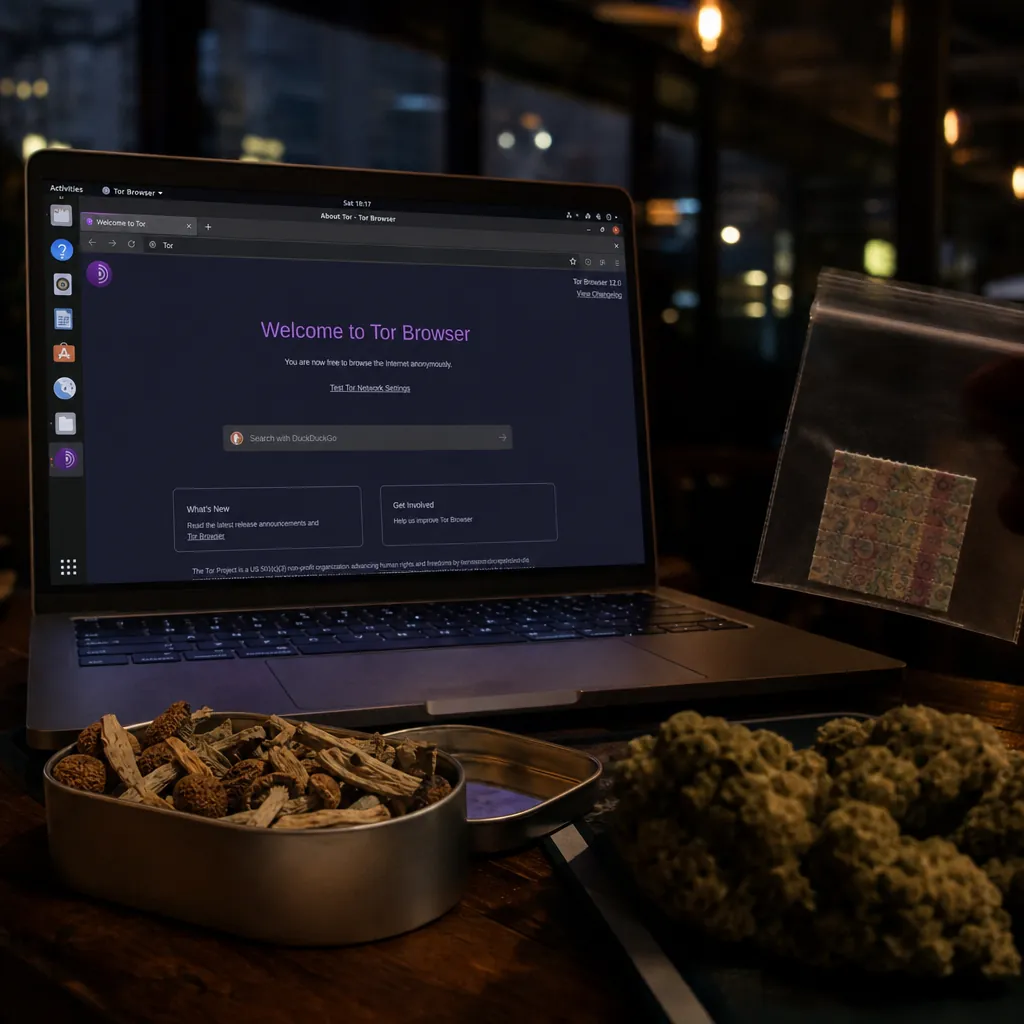
Darknet buyers skip checkout for truffle cuts
Like a monthly streaming subscription that gets cancelled right after the trial period, darknet market shoppers are bailing out of carts once they realize the weekly rate cuts haven't quite hit their favorite stash yet. Vendors slash prices every Tuesday, but the dip in psilocybin truffle sales suggests buyers wait for a deeper drop before committing. THC acetate listings follow the same pattern; carts fill up at 45 per gram and sit abandoned until the price ticks down to 38. Abacus vendors report that cart abandonment rates spike during these adjustment windows, as users refresh pages hoping for a better deal rather than checking out immediately.
Getting hold of product remains surprisingly low-friction despite the hesitation. A few clicks land you at a vendor storefront, and search filters reach specific strains in under a minute. It's no longer a chore to browse listings; users don't need specialist knowledge to find a reliable source. Canada-domestic vendors ship indica flower sealed in mylar within 24 hours for most major cities. Hydra listings show similar velocity; THC acetate orders placed before noon often clear customs by Friday afternoon. The modern UX eliminates the old friction of copy-pasting keys or waiting days just to view inventory.
Forum threads buzz with frustration over the timing. One user notes, "The rates drop on Tuesday, but the truffles don't ship until Thursday." Another points out that buyer fatigue peaks right when new harvest batches hit the darknet market. Sales for psilocybin truffles dip by roughly 15 percent during these lulls, while THC acetate volume holds steady at lower price points. Vendors aren't cutting quality just because rates drop; they're absorbing the margin squeeze to keep inventory moving.
LSA seeds from morning glory kits are moving slower than usual; buyers wait for the THC acetate price to bottom out before grabbing a second order. Abacus tracking updates lag behind vendor shipments by about six hours during peak traffic, which adds another layer of hesitation for impatient shoppers. Yet, domestic delivery windows remain tight. UK-domestic couriers deliver sealed packets within two days even when rates shift mid-week. The darknet market rewards patience with consistent stock availability, though the weekly price war keeps conversion rates soft.
Current data shows psilocybin truffle sales hovering at 420 units per week across top vendors, down from the previous cycle's 510 unit peak. THC acetate volume stabilizes around 380 grams weekly as buyers rotate between strains rather than committing to bulk orders. A vendor on Hydra just posted a new batch of 10x salvia divinorum extract leaves priced at 25 per gram, sitting in the cart for three hours before the first purchase clears escrow.
Darknet LSD Prices Shift With Seasonal Fatigue
Like airline ticket pricing during holiday spikes, darknet market vendors now tweak their rates every seven days to match buyer exhaustion levels. The rhythm is predictable enough that regulars can forecast price hikes before the listings even refresh.
Shoppers scrolling through the latest vendor catalogs notice a distinct pattern: rates climb when engagement metrics dip below historical averages. Darknet market analytics show that a twenty percent drop in cart additions triggers an automatic five to eight percent markup across most categories, pushing LSD blotter squares past forty-two dollars. This adjustment cycle keeps margins intact even as impulse buys dwindle. Vendors don't wait for stockpiles to rot; they simply charge more for the privilege of finding a willing buyer, even when the queue stretches long.
Supply chains stretch thin during these dips. Amanita muscaria caps recently surged in popularity as a legal alternative, yet vendors on Nexus have quietly raised their per-gram rates by twelve percent since late October. The darknet market responds to these shifts with remarkable speed; a mobile user can complete checkout in under forty seconds without navigating complex menus. Same-day dispatch windows keep conversion rates stable despite the price bumps.
Weekly vendor rate shifts reshape retail dynamics faster than tracking systems catch up. Tracking updates often lag behind actual vendor shipments by forty-eight hours, leaving buyers staring at "processing" statuses while prices have already adjusted on the backend. Tracking lags. Since 2019, this delay has become a standard friction point; shoppers rarely see real-time inventory costs sync with courier movements. The darknet market operates with a lag that frustrates impatient eyes, yet it's access that remains low-friction and delivery windows stay tight.
Buyer exhaustion peaks during seasonal supply gaps in late winter, pushing listing costs higher across the board. Hydra vendors have responded by bundling products to offset the fatigue penalty; a standard order now includes a bonus sample of hashish or charas to sweeten the deal. The extra weight doesn't always justify the markup, but it keeps conversion rates stable when wallets grow heavy.

Weekly Shifts Drive Darknet LSD Pricing
A vendor's dashboard flickers at 12:14 PM on a quiet Tuesday. The mouse hovers over the "Update Rates" button, then clicks. Psilocybin truffle prices slide by eight percent across three listings. Meanwhile, THC-O acetate stays flat, anchored at 38 per gram for bulk buyers. The darknet market doesn't sleep; it breathes in weekly cycles.
On active storefronts like Nexus and Hydra, these micro-adjustments ripple fast across the entire ecosystem. Buyers notice the subtle dips before the weekend rush hits, often spotting a vendor on Hydra slash nitrous canister costs by 3 just to move stock faster while keeping mescaline premiums intact for collectors who don't want sudden price swings on bulk orders.
"We adjust our psilocybin prices every Wednesday at noon to catch the weekend crowd before they get tired of scrolling."
Access has become remarkably frictionless. Modern UX lets a user navigate from storefront to cart in under twenty clicks. Domestic shipments often arrive within forty-eight hours, while international orders clear customs and land on porches within five days. Courier tracking updates won't sync instantly with physical movement.
A package might sit at a sorting facility for six hours before the status changes.
Newcomers face a steeper learning curve despite streamlined interfaces. Mirror lists from Daunt help traders sync dashboards instantly, but rates won't stay static across the darknet market. Fresh vendor profiles often require a thirty-day hold period before payouts unlock. This delay forces sellers to rely on weekly cuts to build reputation scores quickly enough.
"By the time my new account clears the thirty-day hold, I've already watched the LSD blotter price drop from forty-two dollars down to thirty-eight."
LSD blotter listings remain the anchor for pricing benchmarks. Current data shows square prices hovering around forty-two dollars, though aggressive vendors push costs down to thirty-nine during flash sales. Shipment tracking updates often trail vendor dispatch times by two days. A label might scan at origin on Monday but only register in the buyer's dashboard by Wednesday afternoon.
Nexus currently lists sixteen active LSD vendors offering rates between 39 and 42 per square.
Darknet Nitrous Canisters Tracking Slows
Tuesday afternoon brings a quiet lull on the tracking page for nitrous canisters at Nexus. The status bar hangs between 'processing' and 'shipped' longer than usual. Buyers refresh their browsers, watching the little spinning icon while vendor rates tick down by fractions of a percent. It's that familiar rhythm where patience pays off more often than urgency does.
The darknet market has shifted gears. Rates slide fast. Vendors are cutting rates weekly to keep tired shoppers engaged, but the logistics backend isn't keeping pace. Tracking updates for bulky items like nitrous canisters often lag behind actual vendor shipments by two or three days. This delay creates a window where prices drop before the buyer sees the package move.
Getting hold of goods feels surprisingly low-friction these days. A buyer can order psilocybin truffles or THC vape cartridges without leaving their phone. Mobile-friendly interfaces handle the checkout while PGP fingerprint matching verifies the vendor in a one-time setup. Since the post-AlphaBay era, platforms like Cocorico have stabilized their courier networks. Domestic delivery usually hits within one to three days. International orders take four to seven days, though the tracking dashboard might show 'in transit' for a while before updating with a local scan.
Mescaline sales dip slightly as seasonal fatigue sets in, yet volume holds steady across reliable stalls. The darknet market adapts to these trends by adjusting rates weekly. When buyers tire of scrolling, vendors slash prices on nitrous canisters and bulk mescaline buttons. A batch of live resin THC cartridges might drop from 85 to 72 overnight as the tracking lag widens. Shoppers who wait for the status bar to change often secure better deals than those chasing immediate dispatches.
By Friday evening, the tracking dashboard finally updates with a local courier scan for a batch of mescaline buttons shipped from Amsterdam. The vendor's rate card shows a 15 reduction applied at noon. A buyer refreshing the page sees the new price and clicks 'buy' just as the shipment status flips to 'delivered'. The final receipt shows a total of 68.40 for twelve canisters, with the tracking timestamp reading 17:02 UTC.
Darknet market Onion Access Details and Endpoints
For verified analysts and security teams, the canonical onion URL for Darknet market appears below. Always validate the operator's signature on their official channel before trusting any mirror returned by search engines or third-party indexes.
Darknet market Hidden Service URL
Darknet market — canonical onion address is published in the verified article above. Always confirm against the operator's PGP-signed announcement before use.
- Independently validated using the operator's PGP-signed statement.
- Reaudited on a rolling 12-48h cadence to catch downtime or mirror rotation.
- Phishing duplicates are surfaced in the catalog as soon as they have been verified.
- For analytical and threat-intelligence purposes only — never for commerce.
Darknet market Mirror Network, Hosting and Reliability
The cleanliness of a mirror network is among the strongest signals of a healthy darknet operation. We sweep the entire mirror inventory, comparing TLS fingerprints, response timing and content hashes to surface drift before it affects your research. Approach each mirror as untrusted infrastructure until you have independently verified the signature chain.
Safe Access Procedure for Darknet market Market
Treat each darknet visit as an isolated research run. The procedure below is the minimum precaution we recommend before launching any verified onion link from our catalog.
- Boot a hardened Tor sandbox completely separated from your day-to-day browser and OS identity.
- Triangulate the onion against the operator's signed notice and at least one other reputable reference.
- Keep scripts and high-risk media off unless your research workflow specifically requires them.
- Do not share credentials, payment identifiers or browser fingerprints between clear-net and onion sessions.
- Record observed IoCs in your tracking system rather than acting on them while still inside the session.
This profile is provided for security analysts, law-abiding researchers and journalists. It is not a usage guide and offers no operational steps, payment instructions or trading advice.
Add comment